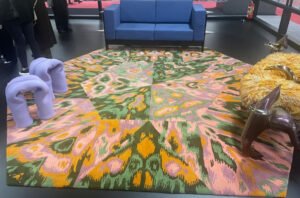
Heimtextil 2026 | Lead the Change
Heimtextil 2026 was nothing short of an amazing experience—an inspiring convergence of ideas, innovation, and intent.One message resonated strongly throughout the fair: Craft is a...

Textile design is evolving beyond purely visual appeal into a richer exploration of pattern, texture, and sensory experience. Across fashion, home textiles, upholstery, and soft furnishings, there is a growing shift toward surfaces that feel layered, tactile, and emotionally engaging. Patterns are becoming softer, more organic, and more textural in expression.
At the same time, texture is emerging as a key storytelling element. Designers are creating depth through surface variation, weave structures, and imperfect crafted details.
Texture-Led Design Over Busy Prints
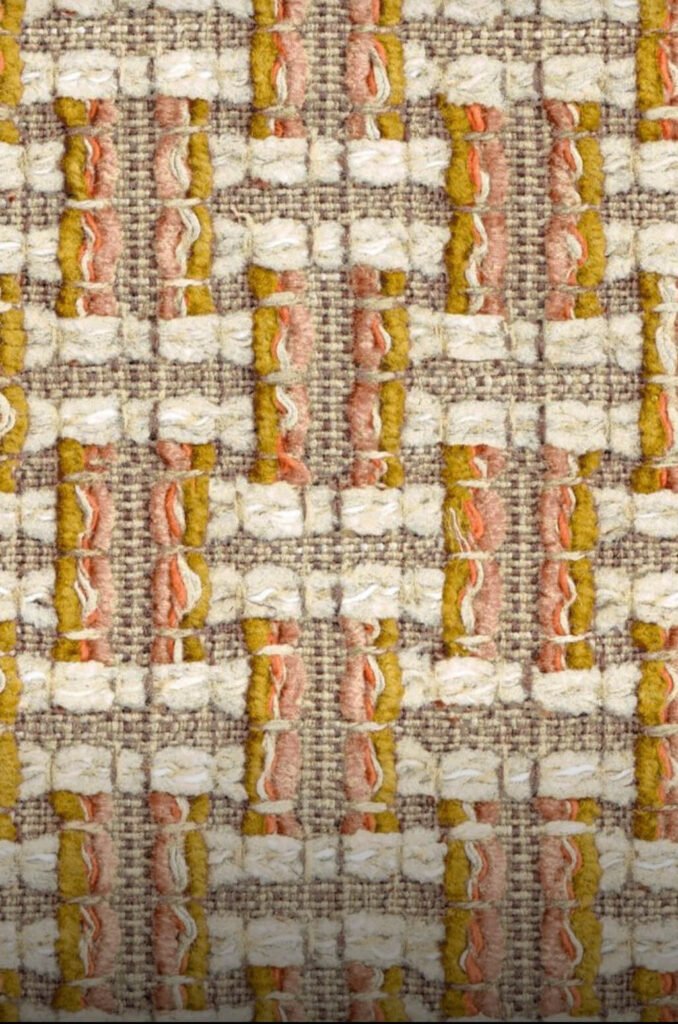
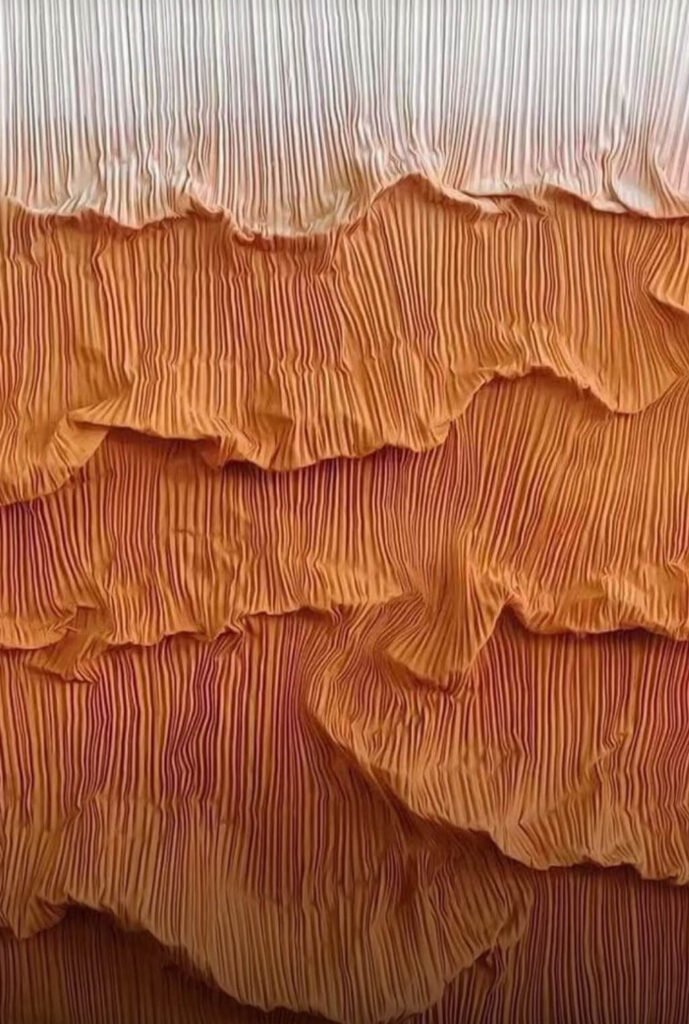
Texture is becoming the primary design language. Bouclé, washed finishes, slub yarns, quilted constructions, layered jacquards, and matte surfaces are replacing overly polished aesthetics. Consumers are increasingly drawn toward fabrics that feel lived-in, timeless, and sensory.
Organic & Nature-Inspired Patterns
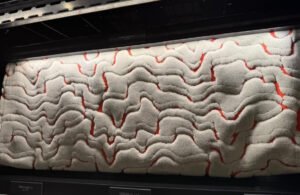
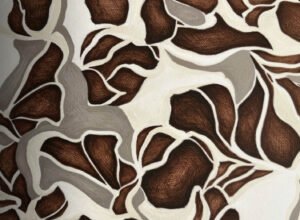
Nature-inspired patterns continue to evolve in softer and more abstract forms. Instead of literal florals, we foresee painterly botanicals, mineral textures, weathered surfaces, organic geometrics, topographical contour lines, and tonal gradients. These patterns create calmness while maintaining a refined contemporary appeal.
Revival of Heritage Patterns: Circus Stripes & Argyle
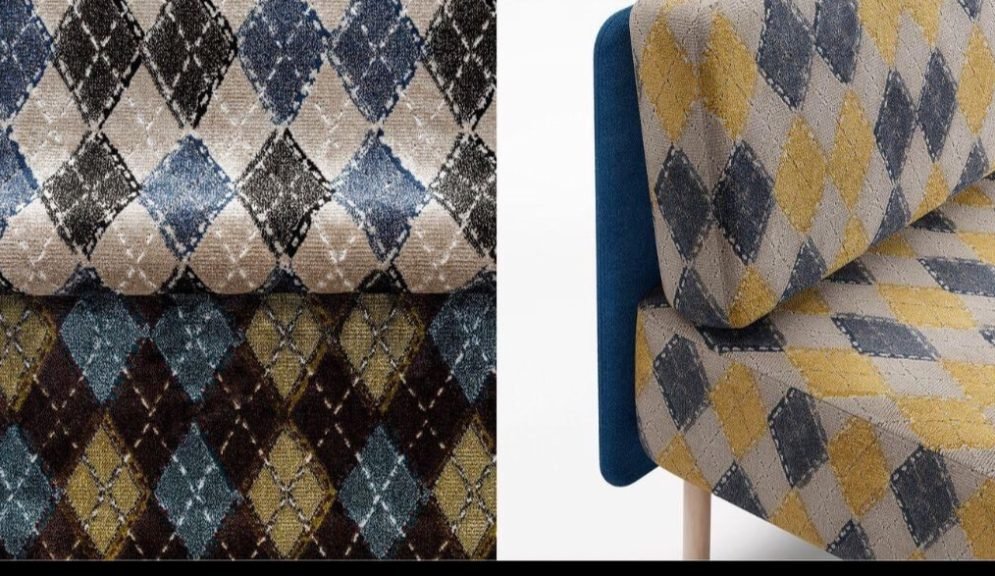
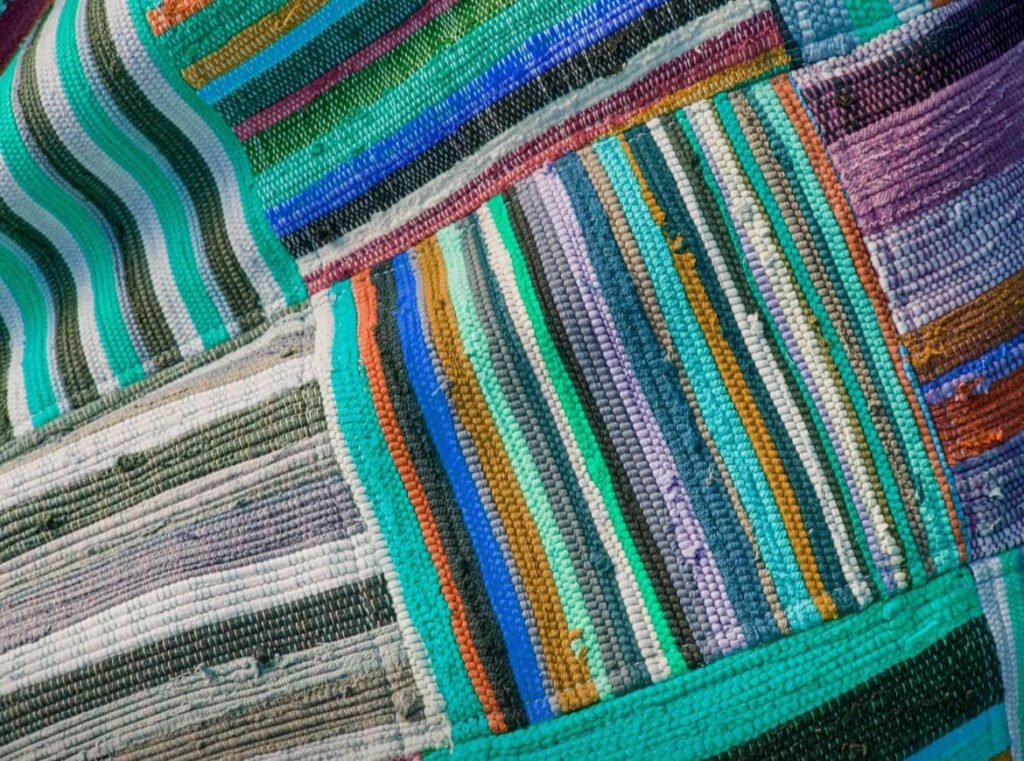
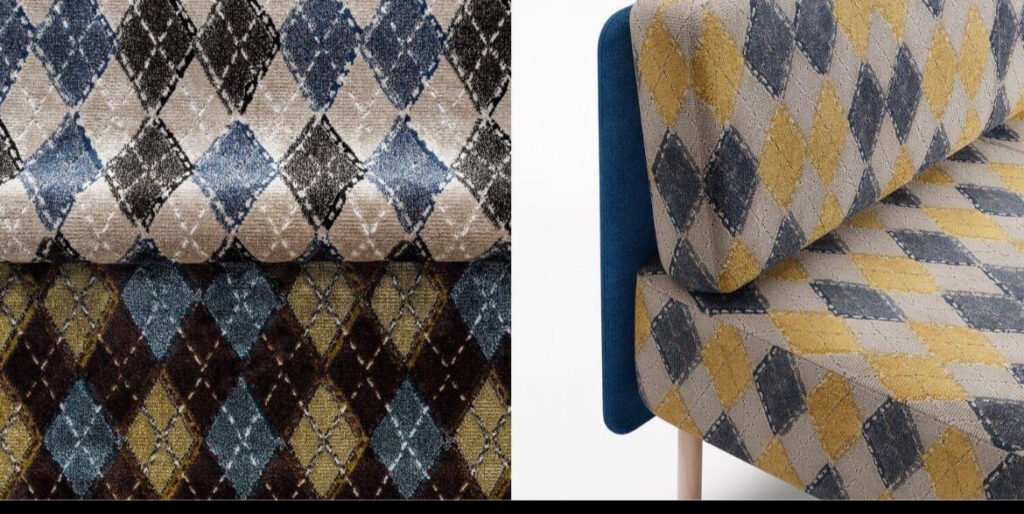
A notable return for 2027 is the reinterpretation of heritage motifs such as circus stripes and argyle. Circus stripes are appearing through uneven widths, faded vintage tones, and textured woven constructions, bringing a playful yet sophisticated character. Argyle is also being reimagined in oversized, tonal, and deconstructed forms across jacquards and knits, balancing nostalgia with modernity.
Revival of Craft & Imperfection
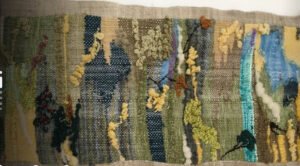
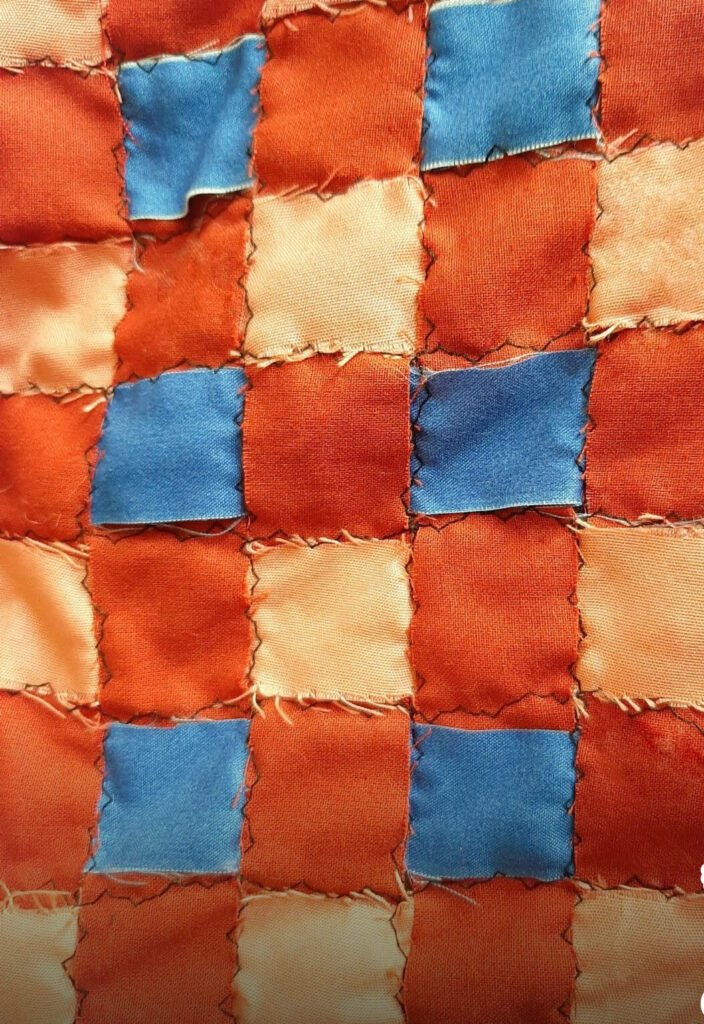
Craft-led aesthetics remain central to future textile narratives. Hand-drawn motifs, irregular stripes, visible stitching, archive-inspired patchwork, artisanal textures, and handcrafted finishes reflect a growing appreciation for imperfection and slower, conscious design.
Future Vintage & Emotional Nostalgia
2027 will continue blending heritage references with contemporary materials and finishes. Classic motifs, vintage-inspired stripes, and softened traditional patterns are being refreshed through layered textures and modern colour stories.
Sustainable Materials Driving Surface Trends
Natural slubs, irregular weaves, undyed textures, and regenerative fibers are shaping a more honest and tactile visual language. Sustainability is moving beyond “eco” into more conscious, emotionally durable design.
As designers, we see the future of textiles rooted in authenticity and emotional connection—where patterns feel more artistic and lived-in, and textures bring warmth, comfort, and a sense of human touch.
The focus is no longer just on how a fabric looks, but how it feels, ages, and connects with the spaces and people around it.
 by admin
March 20, 2026
Comments Off on At Studio CoConcepts, we see 2026 as a defining moment for more expressive, emotionally driven interiors.
by admin
March 20, 2026
Comments Off on At Studio CoConcepts, we see 2026 as a defining moment for more expressive, emotionally driven interiors.